
Discount:
-
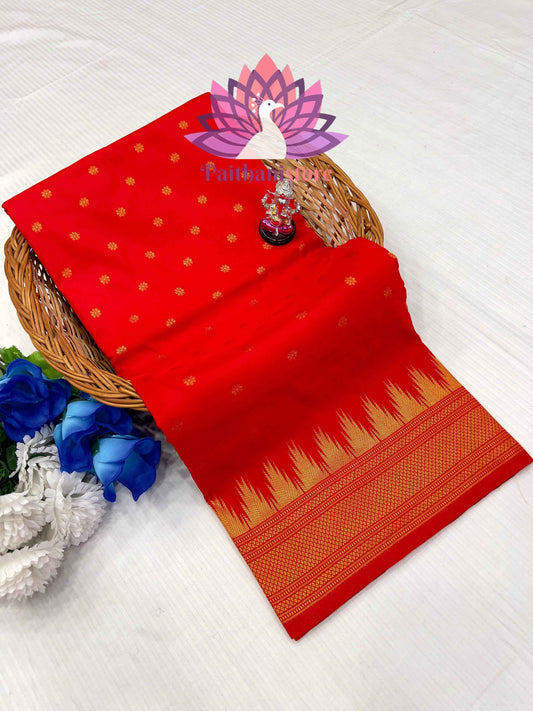
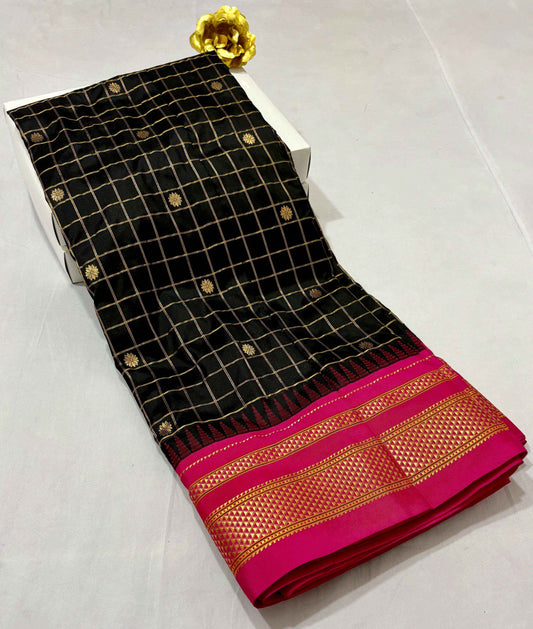
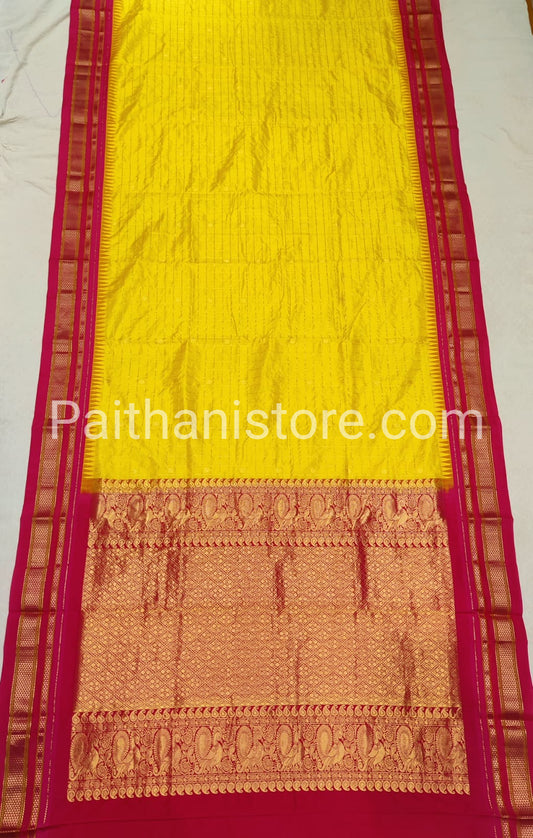
Irkal Style Silk Paithani Saree
Regular price Rs. 10,999.00M.R.P.:Unit price perRs. 14,999.00Sale price Rs. 10,999.00 26% offSale -
Elegant Irkal Paithani Saree with All-Over Zari Butti in Semi-Silk
Regular price Rs. 2,599.00M.R.P.:Unit price perRs. 4,000.00Sale price Rs. 2,599.00 35% offSale -
Silk Ilkal Paithani Saree
Regular price Rs. 12,699.00M.R.P.:Unit price perRs. 17,000.00Sale price Rs. 12,699.00 25% offSale -
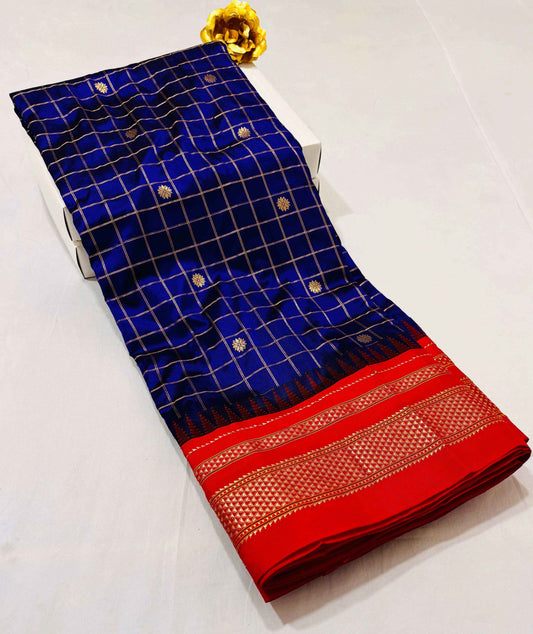
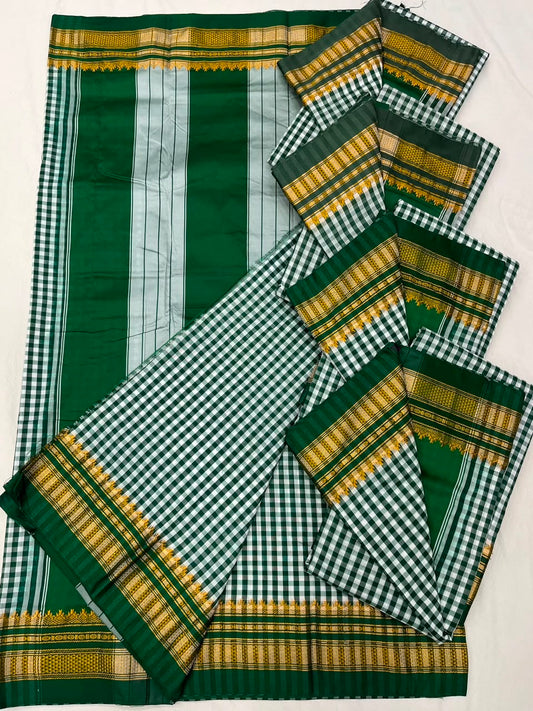
Irkal Checks Silk Saree
Regular price Rs. 13,199.00M.R.P.:Unit price perRs. 21,000.00Sale price Rs. 13,199.00 37% offSale -
Beautiful Semi Silk star Irkal Paithani
Regular price Rs. 2,399.00M.R.P.:Unit price perRs. 3,000.00Sale price Rs. 2,399.00 20% offSale -
Nandini zumka Irkal Paithani Semi Silk Saree
Regular price Rs. 2,399.00M.R.P.:Unit price perRs. 3,000.00Sale price Rs. 2,399.00 20% offSale -
Beautiful Checks Irkal Paithani
Regular price Rs. 2,599.00M.R.P.:Unit price perRs. 3,000.00Sale price Rs. 2,599.00 13% offSale -
Checks Irkal Saree in Art Soft Silk with Contrast Blouse
Regular price Rs. 1,999.00M.R.P.:Unit price perRs. 2,899.00Sale price Rs. 1,999.00 31% offSale -

 Sold out
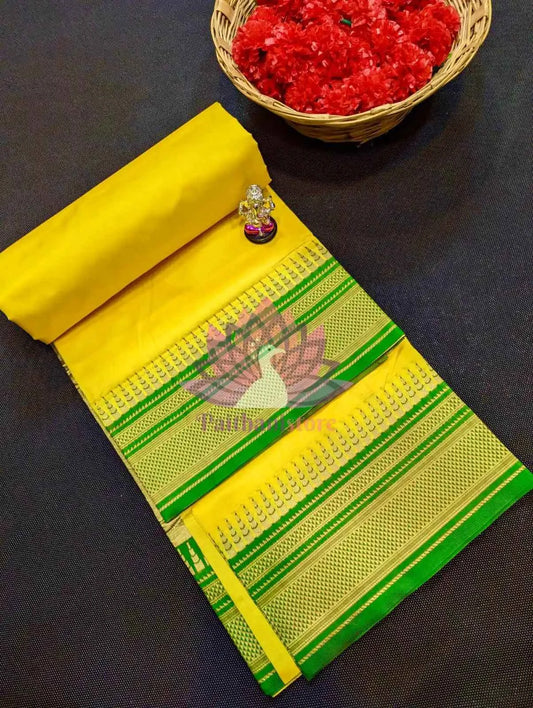
Semi Silk Irkal Sarees
Regular price Rs. 1,999.00M.R.P.:Unit price perRs. 4,000.00Sale price Rs. 1,999.00 50% offSold out






Discover Our Exquisite Collections
Saree Types
Explore traditional and contemporary saree styles that define elegance.


Other Collections
Discover our curated range of accessories and specialized collections.


